The short version
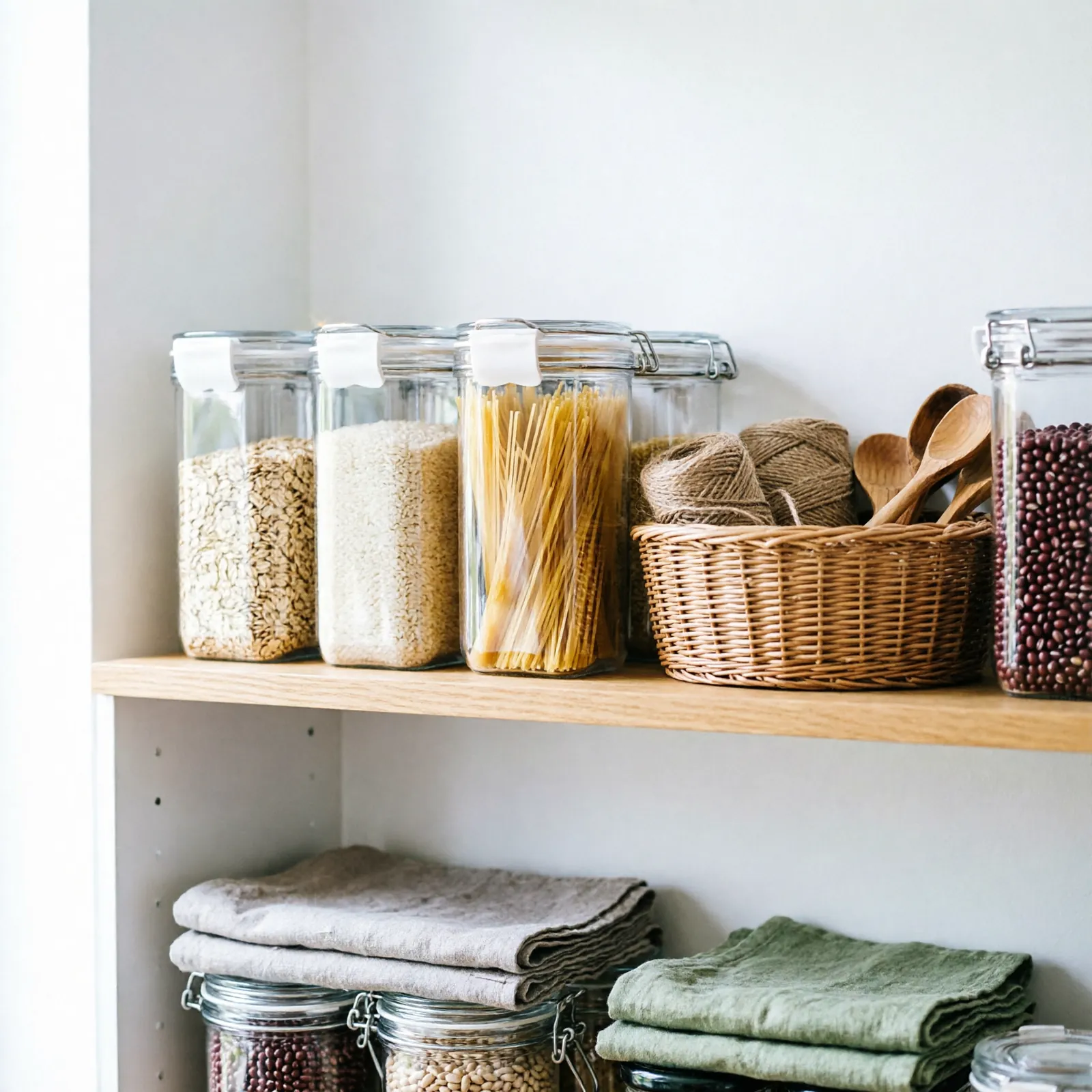
Good organization is mostly a systems problem, not a shopping problem. The products that work share three qualities: a seal that holds, uniform footprints that stack, and materials that survive daily handling.
Buy one coordinated set rather than adding to a mismatched drawer, and measure your actual shelves before you order. Those two decisions prevent almost every regret in this category.
Why most storage fails
One: the seal gives out. Cheap lids warp in the dishwasher and stop sealing within months. This is the single most common failure and the hardest to notice until something spills.
Two: the set does not nest. Containers that do not stack into each other when empty consume far more cupboard than they should, and you stop using them.
Three: sizes nobody uses. Large sets look good value and contain three containers you never open. It is usually cheaper to buy the two sizes you actually need.
Materials compared
Swipe the table sideways to compare every specification.
| Feature | Recommended Tritan plastic Best all-round | Glass Best for oven use | Polypropylene Cheapest |
|---|---|---|---|
| Clarity | Excellent — looks like glass | Excellent | Cloudy, scratches |
| Weight | Light | Heavy | Lightest |
| Stain resistance | Very good | Excellent | Poor |
| Oven safe | No | Yes, to high temperatures | No |
| Durability | Very good | Breaks if dropped | Warps over time |
| Typical set price | $30–$55 | $35–$70 | $15–$30 |
| Buy |
Tritan plastic
Best all-round
- Clarity
- Excellent — looks like glass
- Weight
- Light
- Stain resistance
- Very good
- Oven safe
- No
- Durability
- Very good
- Typical set price
- $30–$55
Glass
Best for oven use
- Clarity
- Excellent
- Weight
- Heavy
- Stain resistance
- Excellent
- Oven safe
- Yes, to high temperatures
- Durability
- Breaks if dropped
- Typical set price
- $35–$70
Polypropylene
Cheapest
- Clarity
- Cloudy, scratches
- Weight
- Lightest
- Stain resistance
- Poor
- Oven safe
- No
- Durability
- Warps over time
- Typical set price
- $15–$30
SnagaReview is reader-supported. When you buy through links on our site we may earn an affiliate commission at no extra cost to you. Read our full affiliate disclosure.
Materials compared
Tritan and similar copolyester
The best choice for most people: clear, light, stain-resistant and dishwasher safe. It is not oven safe and will scratch if you use metal utensils, but for fridge, freezer and transport it is the most practical option.
Glass
Choose glass if you reheat in the oven or want something that never stains or absorbs odour. It is heavy, it breaks, and the lids are usually plastic anyway — so the seal question does not go away.
Polypropylene
Cheap, and it behaves like it. Clouds within weeks, stains within days and warps in a hot dishwasher. Worth buying only for packing lunches you will not mind losing.
Sizing and sets
Most households use two or three sizes constantly and ignore the rest. For dry goods, a 4-to-6-cup container handles pasta, rice and flour; a 1-to-2-cup size suits lentils, nuts and snacks.
Measure your shelves first. Note the height between shelves and the depth front to back, and check the container dimensions against both. A set that does not fit your actual pantry is not a bargain at any price.
Uniform footprints matter more than capacity. Ten containers that stack neatly beat fifteen that do not, almost every time.
Buying checklist
Before you buy, check these five things
- Measure shelf height and depth, and check container dimensions against both
- Choose a set with a uniform footprint so containers stack and nest
- Confirm lids are replaceable separately — they will fail first
- Check dishwasher and freezer ratings match how you will actually use them
- Buy the sizes you use weekly, not the largest set available
Common questions
Are airtight containers really airtight?
Good ones with a silicone gasket and side latches are genuinely leak-resistant for liquids in transit. Nothing is vacuum-sealed, and none of them replace proper preservation methods.
How do I stop containers smelling of garlic and curry?
Use glass or high-quality Tritan, wash promptly, and remove the silicone gasket periodically to clean underneath it. Cheap polypropylene absorbs odours permanently.
Is it worth buying an expensive set?
Usually yes, because the lids and seals last. The cost difference over three years is small once you account for replacing warped lids and stained containers.
How should I organise a small pantry?
Group by how you cook rather than by category, put daily items at eye level, and use uniform containers to reclaim wasted vertical space. Measure before buying any shelf inserts.
SnagaReview is reader-supported. When you buy through links on our site we may earn an affiliate commission at no extra cost to you. Read our full affiliate disclosure.